
For Inquiry
+91 98111-17942

15 days (7 days trek)


Trekking

July to Mid Sep.
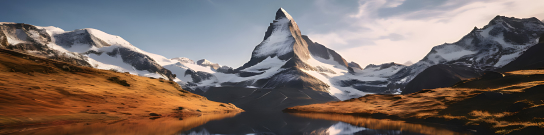
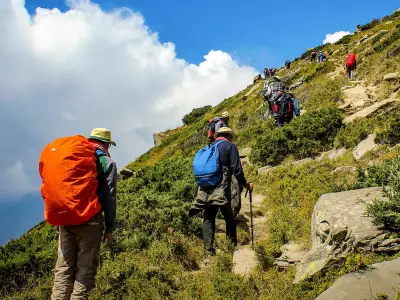
This is one of the toughest and astounding trek leads from Parvati valley in Kullu to pin valley in Spiti. Trail leads following Parvati River through remote villages, dense forest, alpine meadows, Mountain Lake and glacier field to the top of Stunning pass 5300m, which project the fascinating view of surrounding snowcapped peaks. Once in Spiti is arid landscape where Tibetan Buddhist culture is flourished since the century. Monasteries and typical villages like in Tibet are fascinating. Apart from the natural beauty of Himalaya and challenging trek, passionate travelers are allured by the rich culture heritage of both the Spiti and Kullu valleys. Trek is strenuous, previous trekking experience is recommended.
| Dates | Availability | Price | |
|---|---|---|---|
| No fixed departure dates available yet. | |||
 All ground transport by jeep or minibus. Airport transfer
English-speaking guide,
during the trek transport by pony or Mule, twin sharing spacious tent, foam mattress,
dining tent from 4 person onward, 2-3 person will eat in Kitchen tent.
Kitchen team with all necessary items.
Camping fee.
Twin sharing rooms in hotels,
All meals except Delhi
during the trek lunch pack.
Boil cold water while trekking
Medical kit with oxygen cylinder.
 Any air fare
Meals in Delhi
Monument fees
Insurance
Sleeping bag
Beverages including bottle water
Micropur pills to purify the water
Personal exp.
Medical evacuation / repatriation
Tipping
Any other extra expenses if occur due to unforeseen circumstances.
Loss and damage of the bags and any good.
Items of personal nature.
Any expanses occur due to unforeseen circumstances such as nature calamities, which are beyond human control, cancellation of flight, sickness or else.
| BMI Range | Category |
|---|---|
| Less than 16.5 | Severely Underweight |
| 16.5 - 18.5 | Underweight |
| 18.5 - 25 | Normal |
| 25 - 30 | Overweight |
1: Same day Agra to visit Taj Mahal.
2: One night two days Agra to visit Taj Mahal.
3: Golden Triangle of 3 nights 4 days.
4: Varanasi or Banaras for 2 nights 3 days.
Cost per person: Is subject to change in case of economic fluctuation.
Cost valid till - 2023
This trek leads from lush green Parvati valley to arid Pin valley in Spiti over Pin parvati pass. It’s a strenuous and beautiful trek with diverse landscape and culture from Hindu community of kullu valley to Buddhist in Spiti. Highest point of the trek is pin Parvati pass 5219 mtrs.
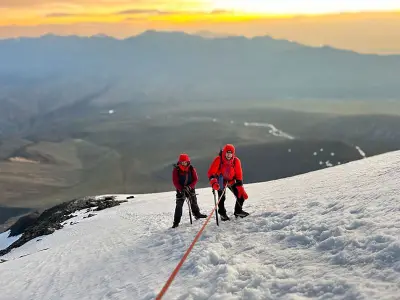
In Kullu valley before crossing the pass you may face rainfall during months of July-August even till mid Sep. and snow fall on the pass. Oct. is best period but in case of bad weather, you can face snowfall in higher region. The day you will climb the pass you will walk over glacier, hence have to beware of crevasses, those crevasses can be hidden in case of seasonal fresh snow or compact of the winter in early months of June / July.
Spiti is a small valley lied on Indo-Tibet (China) border. Valley houses some of prominent and ancient is monasteries date back to 9th /10th century, Buddhism is omnipresent, climate is very harsh, which make life difficult especially in winter.
Trek is difficult, accessible for all age group from 21 years to 60 or having very good physical condition. Daily walking hours from one destination to other varies from 5 to 9 hours. Time can be lengthening or shorten sub. To the physical strength or walking rhythm of each individual.
Accommodation is based on 3 star category in Delhi- Manali standard or Charming, In rural of Spiti area there are limited choices of accommodation sub. to the each places. Neat and clean local standards of hotels or guest houses will be provided.
While trekking you will be assisted by kitchen team with all necessary items including two men spacious tent, mattress, dining tents from 4 persons onward, toilet tents and all necessary items. Our chef will prepare verities of Indian, Chinese and Continental vegetarian and non-vegetarian meals, Chefs on trek are used to cook for the western guest and pay their attention to dose the spice, Breakfast and dinner will be served at camp, lunch is always packed, Afternoon snacks is served with hot beverages as of tea and coffee.
2-1: Water:
Bottle water in city and in restaurants will be at your charge, while trekking our team will provide boil cold water, it’s not enough for the day hence you will take from the spring or streams and has to purify by your own. For example by “chlorine tablets” (pastilles Micropur)
Exchange rate is vary from time to time; you need to verify the latest.
Facilities to get cash exchange is available on arrival at airport in Delhi, Manali, Dharamsala and in some hotels, private money exchanger in town are available as well. You can withdraw from the ATM as well. There are certain shop where you can pay by credit card those wish to buy the souvenir.
Sub. to the number of person in group, for 2 to 4 Toyota Innova / Scorpia or Zylo, for 5 and more than 5 persons Tempo travellers or mini bus will be provided. All vehicle will be air-conditioned, except in hilly area air-condition of any vehicle cannot be regularly used due to steep uphill drive, so you have to co-operate with. For the Autumns and spring season when temperature goes down, if you required heater except minibus each of those mentioned vehicle have the heating facilities and cannot be usd while uphill drive.
4-1: Road:
Road in this part of Himalaya is rough, very rough at some places between Kaza and Manali when passing the Alpine zone, (work is on progress, in region of Kullu- Manali you can face land slide due to rainfall from July till mid Sep. and can be blocked for hours, a days or more, you may miss the places expected to visit, or will visit the unexpected places, to regulate the situation the team at the spot will do the best possible at the moment. Road in India are being widen so please don’t compare the driving time as estimated in developed nation.
4-2: Another important factor:
Is that you will be travelling and trekking in the mountainous regions, most of the mountain streams are glacier linked, due to the high melting rate of glacier can raise the water level and even in sunny day road can be damaged or bridge can be washed away. Occasional rain can be the cause of damaging the road or destabilize the scheduled itinerary.
Due to wide range of temperature and climate conditions, it is advisable to bring appropriate clothing. For protection against cold a layered clothing is better than a few thick ones, so choose your cloths accordingly. Cloths should be preferable be made from natural materials which allow the body to breath better. You will be offending people if you walk around in skimpy or tight fitting clothes. Although there are normally opportunities to wear shorts, it is strictly forbidden to be with short in any religious places as monasteries and temples. We would advise women to wear shirts or loose trousers, men should not wear singlet. Make sure that your clothing should be packed in poly bag inside the back pack / duffle bag etc.
Warm jacket type of gore axe or else ,Pull over, Trek suite, Raincoat, trekking shoes, Sneakers for river crossing, Camp shoes, Gloves, pairs of warm socks + normal socks, Sunglasses / Spare glasses or contact lenses, Sun hat + cap, sun cream, stick to protect the lips, long and short sleeves Shirts- Loose trousers, breathable water proof over , trousers , Washing kit, toilet kit, A small sewing kit, Safety pins, torch or flash light with spare batteries, Camera with spare memory cards and batteries, battery Charger , day sac, water bottle, pair of gaiters , walking sticks if one required, personal medical kit as per your medical advisor. Sleeping bag (-10/-15°C ) small pillow if you required , A light towel, a knife, a roll of toilet paper, a plastic bowl for shaving ( for men, a large plastic bag to protect your clothing inside the bag, wet tissue paper, fanny pack to keep safely your important doc as passport, insurance paper, credit cards, money, Multifunctional knife, lighters, wooden pencils and pen, string of 4-55 meters to dry the clothing or other purpose, English –Hindi dictionary to learn the important words to greet and to communicate with locals and a note book can be useful to engrave your memory in it .
6-1: Sleeping Bags:
For this trek you required a warm and comfortable sleeping bag (- 10 to - 15 ° C.) should be brought matching to your size at your convenience, You can consult us in this regards before departure.
During this trip you will be visiting highly revered Hindu temples of Kullu valley, Buddhist monasteries of Spiti, where in morning and evening daily ritual is practiced. if you will have occasion to participate such events, you are requested to be silent, respect the rule and regulations and subject to the permission granted by monks you can join them silently when chanting the mantras in full devotion and in deep emotion.
There will be no connectivity of foreign mobile while trekking. In city like Delhi, Manikarn Manali- (Kaza JIO-BSNAL only) mobile phone will work only if you will activate the roaming services before leaving your home country. In the cities you will find WIFI in hotels, you can use your WhatsApp where Wi-fi facilities are available.
You will be guided by a professional English speaking trekking guide. Kitchen team will be at your service with necessary items. Team of pony man or porters who hardly communicate in English, apart from their regular duty, they will be present when its question to unify to show the team spirit. Once reaching at campsite your assistance to team members will be appreciated to establish the campsite.
Generally, vary to different season, Hence the best time to travel to this part of Himalaya world is from months of July to mid Oct. July-August are rainy season in lower part of Himachal where as Spiti remain less rainy due to arid climate.
Summer Minimum: 10-20 degree, Maximum: 25-35 degree
Autumn : 8-15 degree, Maximum: 15 to 25 degree
In Sep. - Oct. Temperature descend few degree compare to summer and occasionally in higher regions at both side of pass you can notice the fresh snow and fall of temperature under -0 easily. Part of this trek take place in high mountainous terrain, you can face snowfall even between months of July to Sep
Pre-travel conditioning is very desirable, as more you are prepared the more you enjoy the trips. For such trekking trips required good physic.
As we gain altitude slowly, so we get acclimatize naturally. And for the vast majority the slow ascent to height will produce minimum effects. The most important attribute for any adventure travel trip is positive attitude.
Many metropolitan cities is India are not that much conservative, but still in certain part of cities and in rural it is better to dress conservatively, One should not try to attract attention towards themselves due to their dressing style, while entering to religious site one should take off shoes, don’t dress short and half sleeves and are required to cover the head. Mobile are required to be in silent mode, hugging and kissing will shock the people hence restricted in public, To be respected, respect always local culture.
Best method to get better acclimatization to climb higher and sleep lower, avoid rapid ascend and walk slowly.
Don’t drink alcohol, don’t take sleeping pills and avoid smoking.
Drink at least 3-4 litters of liquid a day.
Don’t exhaust by carrying heavy packs, Back pack should be 10-12 kg for normal trekkers. If you have minor symptoms, better to not proceed higher. And should take aspirin tablets. But if the symptoms start worsening than prepare the immediate descend. One should keep in mind that the member should be not left behind unattended.
Please understand, there are certain hazards involved in your adventurous and culture holidays, which you must accept at your own risk. The company will not be liable for any illness major or minor injury, death sustained during neither the trip, nor it will be liable for any uninsured losses of your property and other losses during the trip.
It is strongly advise that clients take out insurance to cover the unexpected and cancellation charges:
Itinerary / hotels are sub to change in case of strike, civil war threaten, you may be will lose expected places you have prepared for but will explore unexpected and for sure will not disappointed.
In case of Vehicle break down another mode of transport will be managed at the earliest possible, In that case you are requested to keep patience and co-operate with the situation, while travelling to rural and isolated area replacing vehicle can take time due to lack of communication or distance to pass the message with the other vehicle those who are driving toward the nearest town or the place from where one can have telephone facilities. Or from where one can be connected by Mobile phone. Also you can be transferred by the other type of vehicle whatever is available at the moment as of local bus till you will be not having the proper mode of transport.
The Company cannot be made liable for the consequences of weather condition, flight or train cancellations, war or threat of civil war, strikes, industrial action, and political unrest or any other force majeure, unusual or unforeseen circumstance. The company reserves the right to use alternate transport, or vary the itinerary if breakdown, sickness or any other force major. Any additional that result, such as extra hotel accommodation, flight or road transport will be on your charge and must be paid directly at the spot.
Please understand, there are certain hazards involved in your adventurous holidays which you must accept at your own risk. The company will not be liable for any illness major or minor injury, death sustained during neither the trip, nor it will be liable for any uninsured losses of your property and other losses during the trip.
It is strongly advised that clients take out insurance to cover the unexpected and cancellation charges:
When visiting the public or religious sites, please ensure that you will respect local rules, customs, and cultural norms. Avoid causing offense to the local population by entering temples or sacred places with shoes, dressing tight-fitting or overly revealing attire. If you expect to be respected one has to give first than expecting
The Himalayas have a very fragile environment and it is our special concern and Endeavour to protect and preserve the existing ecology. We are also sensitive to local cultures and traditions and make special efforts to sensitize all our clients on this matter.
Take a spacious day bag having capacity to pack the things for day use as of water bottles, camera, sun cream or medicine pack those needed etc.
20-1: Travel bag:
Take a flexible travel bag type of duffle bag. You will pack this bag with the things you don’t need during the day. While traveling the baggage will be loaded on the roof or in the back of the vehicles, hence the day use essential should be packed in day sac or day bag.
Preparation of relief of sun burn, Lip salve, Anti septic cream, Antihistamine cream (for relief of insect bites), Anti diarrhea (flagyl or any other), Anti headach (diamox, aspirin, paracitamol, zimalgin), Anti vomiting (avomin), For stomachach (baralgan,trigan or other diagnose) Dettol, washproof dettol plaster, Bandage and cotton, Balm, Anti cramp spray, Pills to purify the water, Scissor and knife are must in the medical kit.
According to your physical condition you are requested to consult your doctor to complete your medical kit. Apart from that HIMALAYAN FRONTIERS also provides an additional medical kit including oxygen cylinder and Diamox with each group. Special precaution is taken to pack some medicine to deal with Prevention from Altitude sickness.
21-1: Personal medical kit:
You are requested to consult your doctor to complete your medical kit according to your physical condition before departure from your country. For trips in mountains HIMALAYAN FRONTIER also provides an additional medical kit with oxygen cylinder with each group where seems deem necessary.
India is ranked in zone 2 on the risks scale (maximum of 3) above all during the Monsoon (from June to September). To travel in zone 2 requests an anti-paludal treatment, which will be a part of the topics to consult with your doctor before your departure. Kindly take into account that all the mosquitos are not vectors and sting only during the night, and think to bring a mosquito repellent.
No vaccine is mandatory. However, you have to be up-to-date for classical vaccines. The typhoid, hepatitis A, and hepatitis B are strongly advised. Hepatitis A passes on water and hepatitis B transmits by sexual relations or saliva.
Vaccine against Japanese encephalitis is recommended if you travel in rural farming areas and under special circumstances, such as a known outbreak of Japanese encephalitis.
Vaccine against yellow fever in only obligatory if you have travelled before in some countries of Africa and South America.
If a trip is cancelled due to adverse weather, illness, an accident, a death, a natural disaster, or the political unrest, no refunds will be made, however we will take all necessary steps to modify the itinerary; Any additional expenses arise cause of this process, we may—if necessary—ask clients (partners) to contribute to the additional expenses occurred due to such unforeseen circumstances. Nevertheless, we will bear any minor cost differences without bothering the customers. For more details, please consult the General Terms and Conditions on the website.
This is mandatory for all clients travelling on any tour/ trek / expedition or independent itinerary arranged by us. You are responsible for obtaining adequate insurance covering expenses of unexpected / unforeseen circumstances as mentioned in liability paragraph, such loss or damage of baggage, medical expenses, war or threat of civil war, strikes, industrial action, political unrest or any other force majeure, unusual or unforeseen circumstance, helicopter (air or ground) rescue, injury, death, repatriation, cancellation and curtailment of the itinerary.
An Individuals occupying a Dble (Twin) room for single occupancy will be automatically charged additionally as single room surcharge. This applies to groups with an odd number of participants (e.g., 3, 5, 7, 9, 11, 13, 15, 17, 19, etc.)
The custom of giving "small" tips to hotel porters is almost universal. Be sure to have some small change on hand: 50 INR per room for this service, 25 INR for solo travelers, and 100 to 200 INR per meal for restaurant waiters, depending on the size of the group. Tipping your tour drivers and guides is a different matter entirely and may be done in your national currency. The amount varies depending on the size of the group. It is nothing but is gesture of gratitude to your service
Use of any general satellite phones (Thuraya / Irridium or any others) is strictly prohibited / forbidden in India for the security reason, and also you will travelling close to Indo- Tibet border of Ladakh. It is officially illegal and is an offence.
Second: Some new devices of mobile phone such as I phone which has facilities of auto connectivity to GPS through satellite like (type of Garmin in Reach) when you are out of reach to the cell tower or line ,off sight radio communication. Such mobile phone / I phone which has facilities of auto connectivity to GPS through satellite, we request to deactivate such services from your devices before leaving your home country and do not activate it till you reach back home.
Any individual found to be in possession of an unauthorized satellite phone in India or found using such services which are forbidden by law, he / she will be liable to prosecute or can be imprisoned without any bail by Indian law and enforcement agencies.
We, The Himalayan Frontiers as your DMC will have no role and no right to intervene between the persons found guilty and the competitive authority. Matter will be directly under the supervision of the competitive authority of India..
Throughout the trip electricity will be available at every town / places but power cut can be noticed which is refilled by generators. You may need to recharge your mobile battery during the day as in vehicle there are limited distributors, to facilitate the recharging the battery we recommend you to bring a high-capacity portable power bank to charge your mobile phones or camera battery if it happen to face such situation.
The voltage is 220V, and the outlets are almost the same as in Europe. In some locations, the power outlets feature wide sockets, so we advise you to bring an adapter.
Before any administrative procedures, please check that your passport is valid for more than 6 months after the date of return, be sure it has minimum 3 blank pages left in good condition.
To visit India you need Indian visa, E visa or ETV Visa is applied online and is more convenient and faster to obtain than classical visa, for classic visa you need to take appointment at VFS or send the documents by post which take more time than ETV. ETV can be obtain from one month to one year with options of multi entry. Following are the official website to apply the ETV:
https://indianvisaonline.gov.in/visa/tvoa.html
To apply for visa you will complete online visa application (form), upload the copy of passport that you are travelling with, Identity photo of particular size required of Indians standards -JPEG format, visa fee must be paid online by credit card. Once uploading of required documents is complete, you will get mail back with document of granted visa within 48 hours or earlier. Once Visa granted mail received, you must print it and present it with your plane tickets when boarding and on arrival at the Indian immigration service.
To receive our best monthly deals